
When you invest in granite countertops, you’re not just purchasing a surface; you’re acquiring a piece of geological artistry that has taken millions of years to form. At Imperial Marble, we believe that understanding the true nature of your stone is the foundation of preserving its imperial elegance for generations. This comprehensive guide reveals the science-backed strategies that protect your investment and maintain that coveted natural luster.
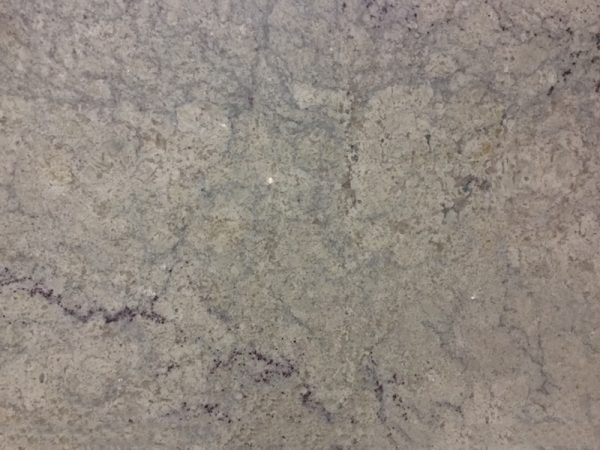
The Science of Granite: Why Specialized Care Matters
Beyond the “Hard as Rock” Myth
Granite ranks impressively at 6–7 on the Mohs Hardness Scale, making it one of the most durable natural stones available for residential use. Composed primarily of quartz, feldspar, and mica, granite formed under intense heat and pressure deep within the Earth’s crust. However, this geological strength comes with a critical vulnerability that many homeowners overlook: porosity.
Despite its density, granite is a porous natural stone. Imagine millions of microscopic channels within the stone’s crystalline structure. These are pathways that can absorb liquids, oils, and pigments if left unprotected. This is why a red wine spill left overnight can become a permanent shadow, or why cooking oils can create dark patches that seem impossible to remove.
The distinction between hardness and impermeability is crucial. Your granite can withstand significant impact force, yet a simple acidic cleaner can etch its polished surface in seconds. Understanding this duality transforms how you approach daily care, not with fear, but with informed confidence.
Daily Maintenance: Keeping the “Imperial Shine”
The foundation of granite longevity lies in simplicity. Your daily cleaning routine should mirror the elegance of the stone itself: refined, gentle, and effective.
The Imperial Marble Daily Protocol:
Begin with warm water and a few drops of pH-neutral dish soap. The pH-neutral designation matters tremendously; cleaners with pH levels below 7 (acidic) or above 10 (alkaline) can gradually degrade your stone’s sealant and eventually damage the surface itself. Mix this solution in a spray bottle for convenient application.
Apply the solution to your countertop and wipe with a microfiber cloth in broad, circular motions. Microfiber’s unique fiber structure captures particles rather than pushing them across the surface, preventing microscopic scratches that accumulate over time. For daily maintenance, this gentle friction is sufficient to remove fingerprints, water spots, and light food residue.
The critical final step: Dry the surface completely with a second, clean microfiber cloth. Granite’s beauty intensifies when dry, and standing water (particularly hard water) can leave mineral deposits that dull the finish over time.
For quick cleanups between meals, 70% isopropyl alcohol diluted with equal parts water provides excellent disinfection without chemical residue. Apply with a soft sponge and buff dry immediately.
The “Don’t List”: Common Killers of Natural Stone
Even the most well-intentioned cleaning habits can permanently damage granite if you’re using the wrong products. These common household cleaners represent the greatest threats to your investment:
Acidic Cleaners: The Silent Destroyers
Vinegar and lemon juice have earned reputations as “natural” cleaning solutions, but their citric acid content makes them catastrophic for granite. When acidic substances contact the stone’s calcium-containing minerals, a chemical reaction called etching occurs. The acid literally dissolves microscopic portions of the surface, leaving dull spots that cannot be buffed away. A single cleaning with vinegar can undo months of proper care.
This prohibition extends to commercial cleaners containing citrus extracts, phosphoric acid, or any ingredient listing ending in “-ic acid.” The appealing lemon scent in many products often signals granite’s worst enemy.
Bleach and Ammonia: The Sealant Strippers
Chlorine bleach and ammonia-based cleaners like Windex operate through aggressive chemical reactions that destroy organic matter. Unfortunately, many granite sealants incorporate organic compounds that these cleaners attack with equal vigor. Regular exposure weakens the protective barrier, accelerating the stone’s absorption of stains and requiring more frequent resealing.
Additionally, bleach can cause discoloration in certain granite varieties, particularly those with high iron content, where oxidation creates irreversible rust-colored staining.
Abrasive Cleaners and Tools:
Powdered cleansers, scouring pads, and steel wool rely on physical abrasion to remove stuck-on debris. While granite can withstand this mechanical action, your polished finish cannot. Each scrubbing session creates thousands of micro-scratches that accumulate into a hazy, dull appearance. Once this damage occurs, only professional repolishing can restore the original luster. This is an expensive correction to an avoidable problem.
Preventing Physical Damage: Heat and Scratches
Granite’s formation under extreme geological conditions might suggest invincibility to kitchen heat, but the reality requires nuance and caution.
The Thermal Shock Phenomenon:
When you place a pot heated to 400°F directly onto a granite countertop at room temperature, you create a localized temperature differential exceeding 300 degrees. This rapid expansion of the stone’s surface layer while the substrate remains cool generates internal stress. While granite rarely cracks from a single incident, repeated thermal cycling weakens the crystalline bonds at the molecular level.
More critically, thermal shock can cause “spalling,” a condition where the top layer of stone separates and flakes away, particularly near existing fissures or repair sites. Always use trivets, hot pads, or heat-resistant mats under cookware exceeding 150°F. This simple habit eliminates nearly all thermal-related damage.
The Cutting Board Imperative:
Granite’s hardness creates a paradox: cutting directly on the surface won’t scratch the stone, but it will rapidly dull your finest knives. The quartz crystals in granite are harder than most knife steels, creating a microscopic grinding action with each cut. Beyond ruining your cutlery, this practice can compromise your sealant layer, creating vulnerable pathways for staining.
More importantly, the impact forces from chopping and dicing can create micro-fractures around sink cutouts and cooktop edges. These are the weakest structural points in any installation. Professional installers reinforce these areas, but no reinforcement withstands daily knife impact indefinitely.
The Weight Warning: A Critical Safety Consideration
Despite granite’s compressive strength, it possesses minimal tensile strength. This means it has limited ability to resist pulling or bending forces. Granite slabs are engineered to bear downward weight when properly supported, but concentrated weight at unsupported edges or near cutouts can cause catastrophic failure.
Never stand on your granite countertops to reach upper cabinets or change light fixtures. The human body’s weight concentrated on two feet near a sink cutout creates precisely the stress condition that causes sudden cracking. Similarly, avoid sitting on edges or allowing children to climb on countertops. What feels solid can fracture without warning when force is applied at vulnerable points.
At Imperial Marble, we’ve witnessed countertops that survived decades of cooking suddenly crack from a single moment of someone stepping on an unsupported span. The repair costs and safety hazards far exceed the inconvenience of using a step stool.
The Sealing Masterclass
Sealing represents your granite’s primary defense against the absorption of stains, and understanding when and how to seal separates countertops that age gracefully from those that deteriorate prematurely.
How to Perform the Water-Bead Test
The water-bead test provides definitive evidence of your sealant’s integrity. Pour approximately one tablespoon of water onto several locations across your countertop: near the sink, on the main workspace, and in corners where cleaning may be less frequent.
Immediate beading (water forms tight droplets): Your sealant remains fully effective. No resealing necessary.
Beading after 4–10 minutes: The sealant is weakening but still functional. Plan to reseal within the next month.
Absorption within 4 minutes (water darkens the stone): Your sealant has failed. Reseal immediately to prevent permanent staining.
Perform this test quarterly in high-traffic areas and semi-annually elsewhere. Different sections of your countertop wear at different rates based on use patterns.
When to Reseal: The 6-Month vs. 3-Year Question
Sealing frequency depends on three primary variables: initial sealant quality, stone porosity, and usage intensity.
High-use scenarios (reseal every 6–12 months):
- Countertops adjacent to sinks and cooktops where water, oils, and heat exposure is constant
- Bathroom vanities exposed to perfumes, cosmetics, and nail polish remover
- Outdoor kitchens where UV exposure degrades sealants more rapidly
- Lighter-colored granites, which often exhibit higher porosity
Standard-use scenarios (reseal every 1–3 years):
- Decorative surfaces with minimal food preparation
- Darker granite varieties with naturally lower porosity
- Areas protected from direct sunlight and heat sources
- Surfaces are maintained with pH-neutral cleaners exclusively
When selecting a sealant, choose impregnating (penetrating) sealers rather than topical coatings. Impregnating sealers bond within the stone’s pores, allowing the surface to breathe while blocking absorption. Topical sealers create a surface film that can yellow, peel, and trap moisture beneath.
For Imperial Marble installations, our initial sealing uses commercial-grade impregnating sealers applied in optimal environmental conditions, typically providing 2–3 years of protection under normal residential use. This professional foundation significantly extends the intervals between homeowner maintenance.
Advanced Stain Removal: The Poultice Method
Despite meticulous care, stains occasionally penetrate even well-sealed granite. The poultice method uses absorption principles to reverse-engineer the staining process, drawing pigments back out of the stone’s pores.
For Oil-Based Stains (cooking oils, grease, cosmetics):
Create a thick paste using baking soda and water, achieving a consistency similar to peanut butter. The alkaline nature of baking soda helps emulsify oils while its fine texture provides gentle abrasion.
Apply the poultice directly over the stain in a layer approximately 1/4-inch thick, extending beyond the stain’s visible edges by at least one inch. Cover with plastic wrap and tape the edges to prevent premature drying. The curing period requires 24–48 hours, during which the poultice slowly absorbs the oil as it dries.
Remove the poultice and inspect the area. For stubborn stains, repeat the process up to three times. After successful removal, reseal the area to restore protection.
For Organic Stains (coffee, wine, fruit juice, leaves):
Replace the water in your baking soda mixture with hydrogen peroxide (3% concentration). The oxidizing action of hydrogen peroxide breaks down the organic compounds responsible for pigmentation.
The application process mirrors oil-stain treatment, but organic stains often require only 12–24 hours of cure time. Sunlight can enhance hydrogen peroxide’s oxidizing effect, so positioning the covered poultice near a window may accelerate results.
For Water-Based Stains and Hard Water Deposits:
Create a poultice using baking soda and acetone (nail polish remover without additives). This combination addresses mineral deposits and water spots that create cloudy, whitish discoloration.
Critical Safety Note: Acetone is flammable and produces strong fumes. Work in well-ventilated areas, keep away from flames, and never smoke during application. The 24-hour cure time requires patience, but the results restore clarity that simple cleaning cannot achieve.
The Bathroom Distinction: Vanity-Specific Considerations
Bathroom granite vanities face unique challenges that kitchen countertops never encounter. The concentrated exposure to personal care products creates hazards that many homeowners overlook.
Perfumes, colognes, and aftershaves contain alcohol and essential oils that can penetrate granite’s pores and cause discoloration. Nail polish remover, particularly acetone-based formulas, can strip sealant with remarkable efficiency. Hair dyes and bleaching products represent perhaps the most aggressive staining agents in residential environments, capable of permanently altering granite’s color in minutes.
The solution involves behavioral adjustments rather than different cleaning protocols. Place decorative trays or small dishes under perfume bottles and cosmetic containers. This simple barrier catches drips and spills before they contact the stone. Similarly, perform hair coloring over towels that extend beyond the vanity edge, and immediately wipe any splashes with damp microfiber cloths.
Bathroom granite also experiences higher humidity levels, which can accelerate sealant degradation. Increase your water-bead testing frequency to monthly in master bathrooms with shower enclosures, and consider applying sealant annually rather than following the extended timeline appropriate for kitchen surfaces.
Professional Maintenance for Imperial Surfaces
While homeowner maintenance preserves your granite’s day-to-day beauty, professional intervention addresses issues beyond DIY capability and ensures longevity that justifies your investment.
Annual Professional Cleaning:
Professional stone care specialists use pH-balanced, stone-specific cleaners at concentrations and application methods unavailable to consumers. They identify early warning signs of damage (hairline cracks, sealant degradation, or beginning etching) before these issues become visible problems.
Damage Restoration:
Scratches, chips, and etching require professional repolishing using diamond-impregnated pads in progressively finer grits. This process removes damaged surface layers and restores the factory polish. Attempting DIY polishing with consumer products typically creates uneven results and can worsen existing damage.
The Imperial Marble Quality Check:
Your granite’s longevity begins before installation. At Imperial Marble, we inspect every slab for structural integrity, examining for existing fissures, color variation, and mineral composition that affects porosity. Our templating process identifies optimal seam placement to minimize visual disruption and structural vulnerability.
Most critically, our installation includes professional-grade sealing applied under controlled conditions. Temperature, humidity, and dwell time are precisely managed for maximum penetration. This foundation provides superior protection compared to post-installation sealing, reducing your maintenance burden and extending the intervals between resealing.
We reinforce sink and cooktop cutouts with specialized epoxy and ensure proper substrate support that distributes weight evenly. These invisible quality factors determine whether your granite serves your family for fifteen years or fifty.
Your Granite’s Imperial Future
Granite countertops represent geological permanence brought into your home. This is a stone that witnessed the formation of continents, now bearing witness to your family’s daily rituals. The care strategies outlined here honor both that ancient origin and your modern investment.
The principles are elegant in their simplicity: gentle cleaning with pH-neutral solutions, protection from thermal shock and concentrated weight, vigilant sealing guided by regular testing, and professional intervention when damage exceeds homeowner remedy.
At Imperial Marble, we view every installation as a partnership extending decades beyond the initial fabrication. Your granite’s beauty is not fragile; it’s simply specific. Understanding the science of porosity, the chemistry of cleaning agents, and the physics of thermal stress transforms maintenance from anxious guesswork into confident routine.
The water beading on your countertop after tonight’s dinner dishes isn’t just cleaning; it’s proof that your sealant stands guard. The trivet beneath your stockpot isn’t excessive caution; it’s respect for geological art. The microfiber cloth in your cleaning caddy isn’t just another rag; it’s the tool that preserves your investment’s imperial shine.
Your granite has endured millions of years of geological forces. With informed care, it will effortlessly endure the decades of your family’s story.