
Marble (the crown jewel of natural stone) has graced the world’s most prestigious homes for centuries. But beneath its luminous surface lies a vulnerability that every marble owner must understand: porosity. At Imperial Marble, we’ve spent decades perfecting the art of marble preservation, and one question dominates every consultation: “How often should I seal my marble countertops?”
The answer isn’t one-size-fits-all. It depends on your stone’s chemistry, your home’s usage patterns, and the quality of your sealant. This guide will equip you with the knowledge to protect your investment through science, not guesswork.
The “Why”: Understanding the Porous Nature of Imperial Surfaces
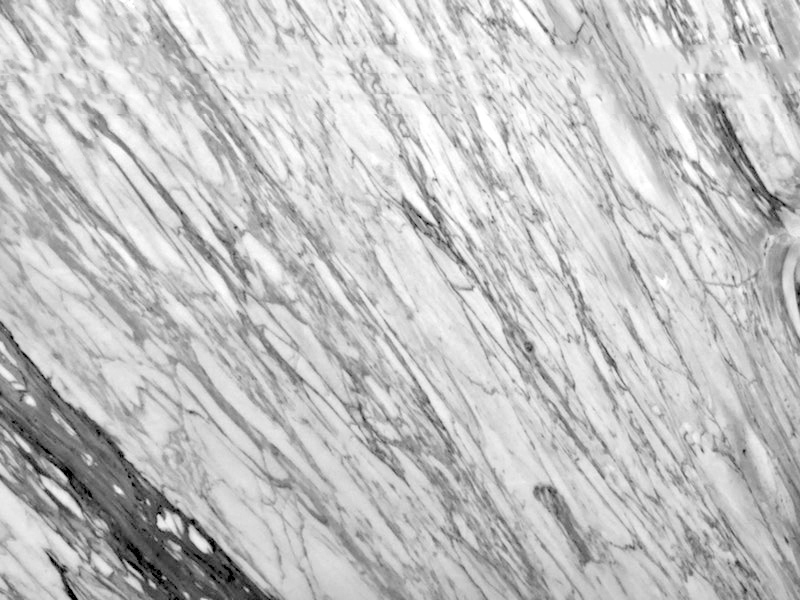
Marble isn’t just beautiful; it’s alive with microscopic capillaries. Formed from limestone under intense heat and pressure, marble’s crystalline structure creates a network of tiny pathways that absorb liquids like a sponge.
Here’s what makes marble particularly vulnerable:
Calcium Carbonate (CaCO₃): The primary component of marble is highly reactive to acids. A single drop of lemon juice can begin dissolving the surface within seconds (a process called etching).
Capillary Action: Unlike engineered quartz, which is non-porous, marble’s natural channels pull moisture deep into the stone. Without protection, wine, oil, or even water can penetrate and leave permanent stains.
The Sealer’s Role: A quality impregnating sealer doesn’t coat the surface; it fills those capillaries with hydrophobic molecules that repel liquids. Think of it as an invisible shield working beneath the surface, not on top of it.
This is why sealing isn’t optional. It’s the first line of defense in preserving the stone’s integrity and appearance.
Frequency Decoded: When Does Your Marble Need Help?
The “seal every six months” rule is a starting point, not gospel. Your marble’s actual needs depend on three critical factors:
Traffic Intensity: A kitchen island where you prep meals daily experiences far more exposure than a guest bathroom vanity. High-contact surfaces break down sealant faster.
Stone Density: Lighter marbles like Carrara and Calacatta tend to be more porous than darker varieties like Emperador. The more porous the stone, the more frequently it requires resealing.
Environmental Stressors: Heat, humidity, and acidic contact accelerate sealant degradation. A marble countertop near a stovetop or exposed to steam will need attention sooner than one in a climate-controlled space.
Room-by-Room Sealing Schedule
| Location | Usage Level | Recommended Frequency |
| Kitchen Countertops | High | Every 3–6 months |
| Master Bathroom | Medium | Every 6–12 months |
| Guest Bathroom | Low | Every 12–18 months |
| Fireplace Surround | Decorative | Every 2 years |
| Dining Table | Medium-High | Every 6–9 months |
The Imperial Standard: We recommend the water test (detailed below) over calendar-based scheduling. Your stone will tell you when it’s ready.
The Imperial Water-Bead Test: A 15-Minute DIY Check
Forget guessing. This simple test reveals your sealant’s status with scientific precision.
What You’ll Need:
- 1 tablespoon of water
- A stopwatch or timer
- A clean, dry section of marble
Step-by-Step Process:
- Choose Your Test Zone: Select an inconspicuous area, ideally where water exposure is common (near the sink or cooktop).
- Pour and Wait: Place approximately 1 tablespoon of water on the surface. Start your timer immediately.
- Observe at 5-Minute Intervals: Watch what happens:
- Pass (Sealed): Water beads up like mercury, remaining elevated on the surface for 10–15 minutes.
- Borderline (Weakening): Water spreads slightly but doesn’t absorb within 10 minutes.
- Fail (Unsealed): The stone darkens beneath the water within 5 minutes, indicating absorption. You may see a visible ring or shadow.
- Wipe and Assess: Blot the water. If a dark spot remains after drying, your capillaries are exposed.
Pro Tip: Test multiple locations. Corner sections and high-traffic zones often fail first.
Factors That Strip Your Sealant Faster
Even the finest impregnating sealer isn’t invincible. These common habits silently erode your marble’s protection:
Chemical Warfare
Acidic Cleaners: Vinegar, lemon-based sprays, and even “natural” cleaners containing citric acid dissolve both the sealant and the marble itself. Each use accelerates deterioration.
Alkaline Assault: Bleach and ammonia-based products may seem powerful, but they degrade the hydrophobic molecules in your sealer, leaving the stone exposed.
The Safe Alternative: Use only pH-neutral cleaners specifically formulated for natural stone. Imperial Marble recommends products that meet NSF/ANSI 51 standards for food-contact surfaces.
Physical Abrasion
Scrubbing with rough sponges, steel wool, or abrasive powders wears down the sealer mechanically. Even microfiber cloths, when used with excessive pressure, can create micro-scratches that compromise protection.
Thermal and Humidity Stress
Heat Exposure: While marble withstands high temperatures, placing hot pots directly on the surface causes microscopic expansion. If moisture is trapped beneath a compromised seal, this can lead to thermal shock and cracking.
Steam and Humidity: Bathrooms with poor ventilation create constant moisture exposure. Over time, this hydrates the sealant molecules, causing them to break down faster.
Frequency of Use
The more you touch, wipe, and use your marble, the faster oils, acids, and physical contact degrade the seal. A kitchen prep area used three times daily will exhaust its protection in half the time of a decorative backsplash.
Sealing vs. Polishing: Clearing Up the Confusion
This is where most homeowners (and even some contractors) get lost. Let’s define these processes clearly:
What Sealing Does
A penetrating sealer creates a stain barrier by filling the stone’s capillaries with repellent molecules. It prevents liquids from being absorbed, which means:
- Coffee spills won’t leave brown shadows
- Oil won’t create dark patches
- Water won’t penetrate and cause internal damage
What sealing does NOT do: Prevent etching. If acid touches marble, it will chemically burn the surface, leaving a dull, rough spot regardless of how recently you sealed.
What Polishing Does
Polishing is a mechanical resurfacing process that removes scratches, etching, and surface imperfections using abrasives. It restores the mirror-like finish but doesn’t protect the stone from future damage.
The Imperial Approach
At Imperial Marble, we view these as complementary, not interchangeable:
- Polish first to remove existing damage and create a smooth, dense surface
- Seal immediately after polishing to lock in that pristine finish
A sealed but etched surface is still damaged. A polished but unsealed surface is still vulnerable. Both are necessary for complete protection.
Professional vs. DIY Sealing: Which is Right for Your Home?
The DIY Route
Consumer-grade sealers from hardware stores typically offer:
- 6–12 months of protection
- Water-based formulas (safer but less durable)
- Simple spray-and-wipe application
Best for: Low-traffic areas, maintenance between professional treatments, and budget-conscious homeowners willing to reseal frequently.
Limitations: Shorter lifespan, less penetration depth, and potential for streaking or uneven coverage without proper technique.
The Professional Standard
When Imperial Marble seals during installation or restoration, we use:
Industrial-Grade Impregnators: Solvent-based formulas that penetrate 2–3mm deep (versus 0.5–1mm for consumer products), offering 2–5 years of protection in high-traffic areas.
NSF/ANSI 51 Certification: Our sealants meet food-safety standards, crucial for kitchen countertops where meal prep occurs daily.
Precision Application: We control temperature, humidity, and curing time to maximize bonding. The stone is cleaned with pH-neutral solutions, dried completely, and sealed in optimal conditions.
The Curing Advantage: Professional-grade sealers require 24–72 hours to fully bond. During this period, the surface must remain untouched (no objects, no cleaning, no moisture). We coordinate this timing to minimize disruption to your home.
When to Call Imperial Marble
- Initial Installation: New marble should be sealed before first use
- Deep Restoration: If your stone has significant etching, staining, or dullness
- High-Value Spaces: Heirloom-quality marble or high-traffic kitchens deserve the longest-lasting protection
- Peace of Mind: When you want the assurance of a warranty-backed professional treatment
3 Signs Your Seal Has Failed
Don’t wait for disaster. Watch for these warning signals:
✓ Rapid Water Absorption
If water darkens the stone in under 5 minutes during the bead test, your capillaries are exposed. This is the most reliable indicator.
✓ Persistent Dull Patches
Notice areas that look perpetually hazy or lack the characteristic marble luster? This often indicates trapped moisture beneath a degraded seal, particularly common near sinks or in bathrooms.
✓ New Stains Despite Caution
If you’re cleaning spills promptly but still seeing discoloration, the sealant is no longer providing a barrier. Oils and pigments are penetrating directly into the stone.
Immediate Action: Reseal within 2 weeks. The longer marble remains unprotected, the deeper stains can set (sometimes requiring professional honing to remove).
The Color Factor: Why Your Stone’s Appearance Matters
Here’s a truth most suppliers won’t tell you: lighter marbles are almost always more porous.
Carrara, Calacatta, and Statuario (the most coveted varieties) tend to have larger, more open crystalline structures. This creates:
- Higher absorption rates: Up to 40% more than darker marbles like Nero Marquina
- Faster staining: Particularly vulnerable to oil-based substances
- More frequent sealing needs: Every 3–4 months in high-use kitchens
Darker marbles (Emperador, Verde Guatemala) are denser and may only require sealing every 9–12 months, even in active spaces.
The Imperial Marble Difference: We test each slab’s absorption rate before installation and provide customized sealing schedules based on your specific stone, not generic timelines.
The NSF/ANSI 51 Standard: Why Food Safety Matters
Not all sealers are created equal, especially for surfaces where you prepare food.
NSF/ANSI 51 Certification confirms that a sealer:
- Releases no harmful chemicals into food or beverages
- Maintains its integrity under heat and moisture
- Has been independently tested for safety in commercial food-service environments
This is particularly critical for:
- Kitchen islands used for meal prep
- Bathroom vanities where personal care products are applied
- Any surface touched by children
At Imperial Marble, we exclusively use NSF-certified sealers for residential applications. Your family’s health isn’t negotiable.
The Thermal Shock Note: Heat Meets Moisture
Marble’s heat resistance is legendary, but there’s a hidden risk when sealing fails.
The Science: When moisture is trapped beneath an unsealed or compromised surface, it expands when heated. This creates internal pressure. Combined with rapid temperature changes (a hot pan on a cold stone), the result can be:
- Hairline cracks: Often invisible until they propagate
- Spalling: Surface flaking or chipping
- Structural weakness: Particularly at edges or seams
- Prevention: A properly maintained seal keeps moisture out, eliminating this risk. Always use trivets, but understand that protection starts with sealing, not just heat-avoidance habits.
Your Next Step: Curating the Longevity of Your Investment
Marble isn’t maintenance-free, but with the right knowledge, it’s maintenance-predictable. The water-bead test gives you certainty. The room-by-room schedule gives you a plan. And understanding the science behind sealing gives you confidence.
At Imperial Marble, we don’t just install stone; we curate the longevity of your home’s most precious surfaces. Whether you’re managing routine maintenance or facing significant etching and staining, our team brings decades of expertise to every project.
Ready for a Professional Assessment?
Contact Imperial Marble today for a complimentary deep-clean and reseal consultation. We’ll test your stone’s current protection, identify any damage, and provide a customized preservation plan because your marble deserves nothing less than imperial care.