
When it comes to choosing the perfect countertop for your kitchen, the edge profile might not be the first thing that comes to mind, but it should be! The edge shape plays a critical role in both how your countertop looks and how well it performs in everyday life. After all, you want a space that not only impresses guests but also stands up to spills and splashes. Selecting the right edge profile isn’t just about style; it’s about creating a functional design that feels right for you and your family. So, let’s dive into the world of countertop edge profiles and discover how even the smallest details can make a big difference in your kitchen!
When selecting the right edge profile for your countertop, consider the balance between form and function, including the cleanability of intricate designs versus simpler profiles. Assess material compatibility and durability based on usage in specific areas and your personal aesthetic preferences to ensure you choose an edge profile that complements your overall design while meeting practical requirements.
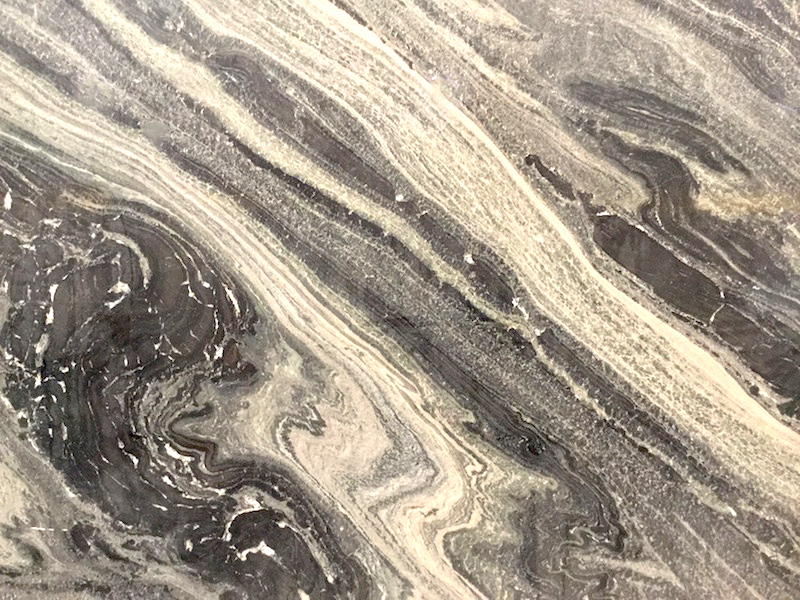
Exploring Countertop Edge Profiles
The right edge profile can dramatically alter the perception of a space, making it essential to choose wisely. Each type serves its purpose not only aesthetically but functionally as well. For instance, the Square Edge is a popular choice for modern designs because of its clean lines; however, while it’s budget-friendly, it may be more prone to chipping than other options if you’re not careful.
This leads us to the Eased Edge, which incorporates a slight rounding that minimizes sharpness, providing an excellent balance between safety, especially in homes with children, and visual appeal.
As we move into other options, the Beveled Edge deserves a mention for its chic, sloped design that softly transitions from surface to side, characterized by a 45-degree angled cut. This contemporary choice not only elevates the overall look but also enhances light reflection, contributing to a brighter kitchen atmosphere. On the other hand, if you’re after durability without sacrificing aesthetics in a family setting, consider the Bullnose Edge. Its fully rounded shape minimizes sharp corners and makes cleaning easier, a winning combination for households with little ones running around.
This isn’t just about looks; it’s about practicality too.
Another intriguing contender is the Ogee Edge, which injects elegance into traditional kitchens through its intricate curves. This profile speaks to those who desire artistry combined with functionality. However, one should note that complexity in design often requires more maintenance due to crevices where dirt can accumulate.
All these choices make it clear that understanding edge profiles involves more than simply liking how they look; factors such as cost and material directly influence which profiles are viable options for your specific countertop.
Important Factors: Cost and Material
When considering your countertop edge profile, it’s crucial to recognize that not all profiles come with the same price tag. The intricacy of the design is a significant factor affecting the overall cost. For example, a classic ogee edge can range from $70 to $90 per linear foot, which is about 30-50% more than a standard square edge costing around $40 to $60. This price difference reflects the additional labor and specialized skill required to achieve these detailed designs. Craftspeople take great care when fabricating these edges, which adds to their labor costs.
Now let’s pivot our focus to the materials themselves. Each stone or countertop surface has different characteristics that influence what edge profiles it can support. Granite, for instance, is prized for its hardness and durability, making it a prime candidate for elaborate and unique edge profiles like cove or waterfall designs.
On the other hand, softer stones such as marble might suffer damage if subjected to intricate cuts, making simpler edges like eased or bullnose more suitable for them.
When it comes to synthetic materials like quartz, they provide a versatile option that’s both stylish and durable. They generally lend themselves well to beveled or eased edges, striking a balance between visual appeal and robust longevity. This is important for homeowners who want a chic look without sacrificing functionality.
As we explore these factors further, you’ll find that considering both cost and material compatibility isn’t just about picking the prettiest option; it directly impacts long-term satisfaction with your countertops.
Understanding these nuances allows you to make more informed decisions about your countertop choices while transitioning seamlessly into how aesthetics intertwine with style selections in your design journey.
Aesthetic Considerations and Style Choices
The aesthetics of an edge profile hold substantial weight in achieving harmony within a room. For instance, imagine a traditional Victorian-inspired kitchen: the intricate curves of an ogee edge beautifully echo the ornate details of the cabinetry and fixtures. It isn’t just about choice; it’s about context. Conversely, that same ogee edge could feel oddly out of place in a sleek, minimalist kitchen where simplicity reigns supreme. Here, a straightforward square edge would complement the clean lines and modern aesthetic instead.
To further illustrate this concept, consider the countertop edge as a frame around a painting. Just as a frame enhances a piece of art, drawing attention to its best qualities, the right edge profile can elevate your countertop and tie together the room’s overall look. Picture how a rugged chiseled edge might resonate perfectly with rustic wood cabinets while feeling lost among ultra-modern finishes.
When selecting an edge profile, think about how it will align with other design elements in your kitchen. Consider cabinet details, hardware styles, and even flooring choices. Aim for cohesion, if you have soft rounded edges on cabinet doors, for instance, choosing a bullnose edge for your countertop creates visual continuity that allows each element to enhance the others.
In making these choices, don’t forget to consider texture and finish alongside color. Combining textured countertops with smooth edges can create intriguing contrasts that are visually appealing.
Having considered these aesthetic factors, we can now turn our attention to identifying which edge profiles effectively elevate the design in contemporary kitchens.
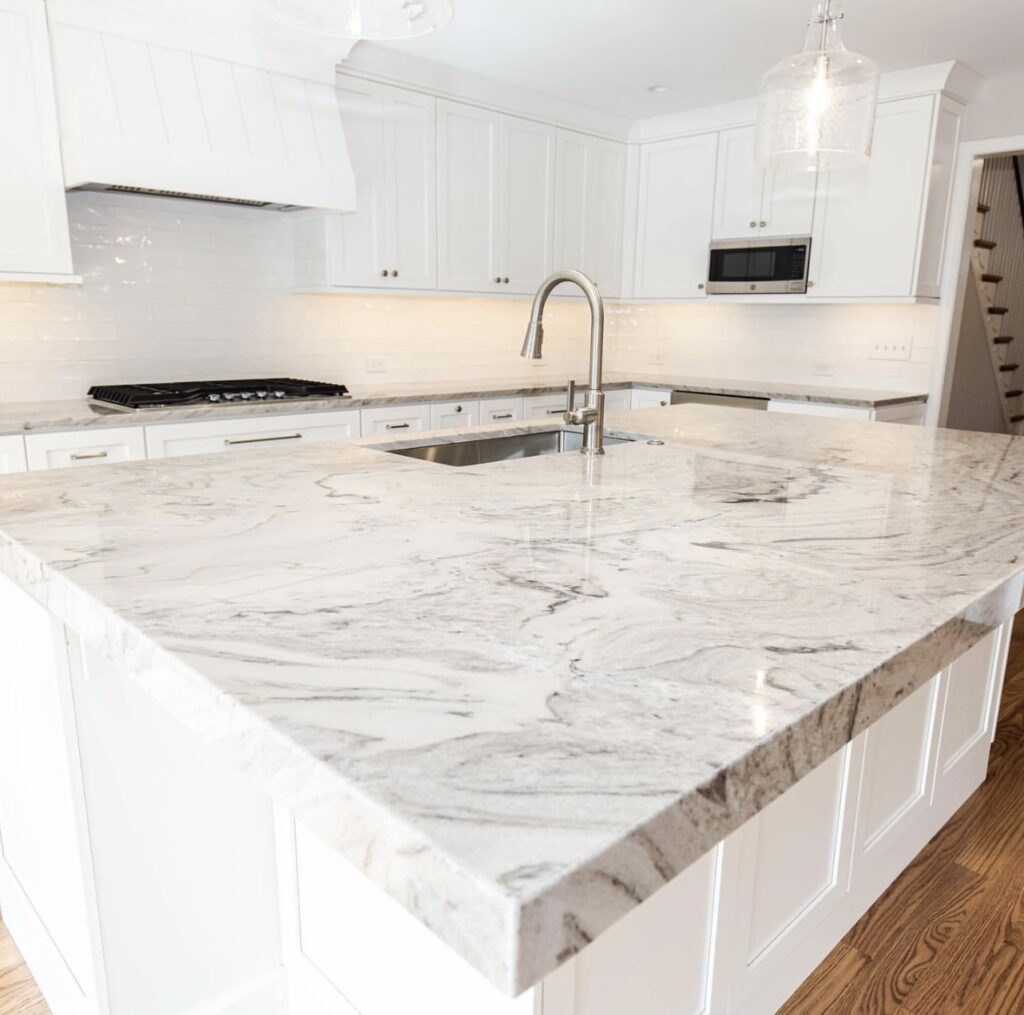
Best Edge Profiles for Modern Kitchens
When it comes to modern kitchens, the choice of edge profile becomes a cornerstone of the overall design. The edge profile not only influences aesthetic appeal but also underpins functionality. Clean lines and simplicity rule in modern aesthetics, making certain edge profiles particularly advantageous. Take square edges; these profiles reinforce a sleek and minimalistic look that aligns perfectly with the contemporary vibe.
Furthermore, the Beveled Edge presents an elegant option, offering a sharp cut that draws attention without overwhelming the space. This edge adds character to enhance the straight lines typical of modern design, making it ideal for couples who appreciate both form and function in their culinary space. Adding a subtle dimension complements it nicely with bold materials like granite or quartz, which have become staples in upscale kitchens.
As we explore more rounded options, it’s essential to note how they can play a role in a modern context.
Enter the Eased Edge, this profile combines soft curves with the straightforwardness typical of modern styles. It provides a gentler appearance than its square counterpart while still retaining that minimalist essence. This particular design is fantastic for families with children; not only does it aid in safety by reducing sharp corners, but it also delivers a visually pleasing softness that contrasts beautifully against other hard surfaces like stainless steel appliances.
Keep in mind that while aesthetics are key, functionality remains essential in any modern space. A well-selected edge profile will enhance your kitchen experience rather than detract from it.
Homeowners should also consider material compatibility when selecting an edge profile. For example, some laminated surfaces may not hold elaborate designs as effectively as their granite or quartz counterparts. Striking a balance between material and edge style fosters a harmonious kitchen environment.
While these profiles cater perfectly to modern aesthetics, exploring options tailored for more classic spaces can reveal unique charm and warmth that resonate with traditional design principles.
Best Edge Profiles for Traditional Kitchens
When it comes to traditional kitchens, the edge profile you choose for your countertops plays a significant role in enhancing the classic charm and inviting atmosphere that these spaces exude. Each edge profile serves as both a functional and stylistic element, bringing together the intricate details of cabinetry, tile backsplashes, and fixtures to create a harmonious design. For those looking to evoke timeless elegance, consider the Ogee Edge, Bullnose Edge, or Cove Edge.
Classic Edge Options
The Ogee Edge stands out with its graceful curves, tailored contours, and overall sophisticated aesthetic. Its intricate double curve can make any countertop look regal and is especially stunning when paired with rich materials such as deep-veined granite or polished marble. Imagine a warm-hued wood kitchen where every detail aligns perfectly, an ogee edge can elevate even the simplest designs to new heights of class.
In contrast, the Bullnose Edge offers a soft and rounded profile that complements the cozy feel of traditional kitchens. Its smooth corners not only provide practical benefits, making cleanup easier, but they also radiate an inviting aura that draws people in. This edge pairs beautifully with neutral or earthy-colored surfaces like sandstone or light granite, allowing the material’s natural beauty to shine without overpowering the space.
Meanwhile, the Cove Edge, characterized by its gentle inward curve, reflects vintage styles reminiscent of rustic farmhouse designs. This profile can be particularly effective in kitchens featuring open shelves lined with homemade preserves or family heirlooms. It adds just enough subtlety without losing its elegant appeal, merging seamlessly with other kitchen elements to craft a warm yet refined atmosphere.
Choosing the right edge profile involves more than just style; it’s about aligning your choices with the functional demands of your kitchen and your personal aesthetic preferences.
As you consider these classic edge profiles, keep in mind how they interact with other design elements in your kitchen. Prioritize how frequently you’ll use your countertop; families with young children may find rounded edges more user-friendly for safety and ease of cleaning. Additionally, think about material compatibility: some profiles engage beautifully with specific stone types while others may not deliver the same visual impact.
A well-selected edge profile does more than beautify, it enhances daily living by blending aesthetics and practicality seamlessly in your kitchen.
After selecting the perfect edge profile, we’ll explore essential installation practices to ensure your beautiful design lasts long into the future.
Tips for Installing Your Chosen Edge Profile
Installation is not just about getting the job done; it’s an art form that can define the overall look and functionality of your countertop. If you’re embarking on this journey, consider these valuable insights that will guide you through a successful installation, ensuring every edge shines just as you imagined.
First and foremost, hiring skilled professionals is essential. Precision is the name of the game, especially when it comes to intricate profiles like ogee or waterfall edges. Experienced fabricators understand the nuances of material handling, cutting techniques, and finishing touches that are crucial for achieving that flawless look. This can save you a good deal of headache, and potentially heartache, if something goes awry. Just imagine loading up those beautiful slabs of granite or quartzite, only to realize mid-installation that a wrong cut has thrown everything off balance!
As much as enlisting help is important, being actively involved in the process helps ensure that your vision becomes reality.
Understanding the installation process means grappling with more than just aesthetics; it also encompasses functional aspects such as weight distribution and edge durability. Don’t hesitate to engage during critical phases, from planning to cutting stages. Discussing measurements and double-checking coordinates with your installer can help avoid costly mistakes later on. Remember, clear communication is key, if there’s a design element that stands out to you, voice it!
Once the edges are cut and shaped, it’s time to inspect the craftsmanship thoroughly before all pieces come together.
Checking for quality should be a priority. Take time to run your hand along each edge to assess its smoothness and continuity. A rough edge may not only look unappealing but can also lead to chipping over time. If you’re opting for surfaces made from porous stones like marble or granite, sealing them appropriately is non-negotiable. A premium sealant can act like an invisible shield against stains and wear down the road, a small investment for protecting your elegant countertops.
I recall working alongside a homeowner who learned this lesson firsthand; even after selecting an exquisite bullnose edge for their kitchen island, they faced potential staining issues until proper sealing was applied post-installation. But once they sealed it correctly, their countertop looked nothing short of spectacular and retained its charm well beyond the initial installation.
By following these insightful tips, you’re not just installing a countertop; you’re curating a masterpiece that enhances both beauty and function within your space. Understanding this harmonious blend will enrich your project experience while leading to a breathtaking finish that you can enjoy for years to come.
Final Thoughts
Choosing the right edge profile for your countertop is one of those design decisions that truly matters in the long run. While it might seem like a minor detail at first glance, the edge profile you select will influence everything from your kitchen’s visual appeal to its daily functionality and even your maintenance routine. Whether you’re drawn to the clean simplicity of a square edge, the timeless elegance of an ogee, or the family-friendly practicality of a bullnose, your choice should reflect both your personal style and your household’s unique needs.
Remember that the best countertop edge isn’t necessarily the most expensive or elaborate, it’s the one that creates harmony between your design vision, material selection, budget, and lifestyle requirements. Take your time exploring options, consult with experienced fabricators who can guide you through the possibilities, and don’t hesitate to request samples or visit showrooms to see and feel different profiles in person.
Your kitchen serves not only as a space for meal preparation, but also as a hub for creating and sharing memories within your home. By thoughtfully selecting an edge profile that balances beauty, durability, and practicality, you’re investing in a space that will serve you well and bring you joy for years to come. Here’s to creating a kitchen that’s not only stunning but also perfectly suited to the way you live! Contact Imperial Marble Granite to get your desired countertop edge profiles.